Every fill and every toll, matched to a trip
Fuel card and toll statements are imported and every line is matched to a trip. A fill that matches no trip is asked of the driver, and a toll or parking charge that matches none waits for finance.
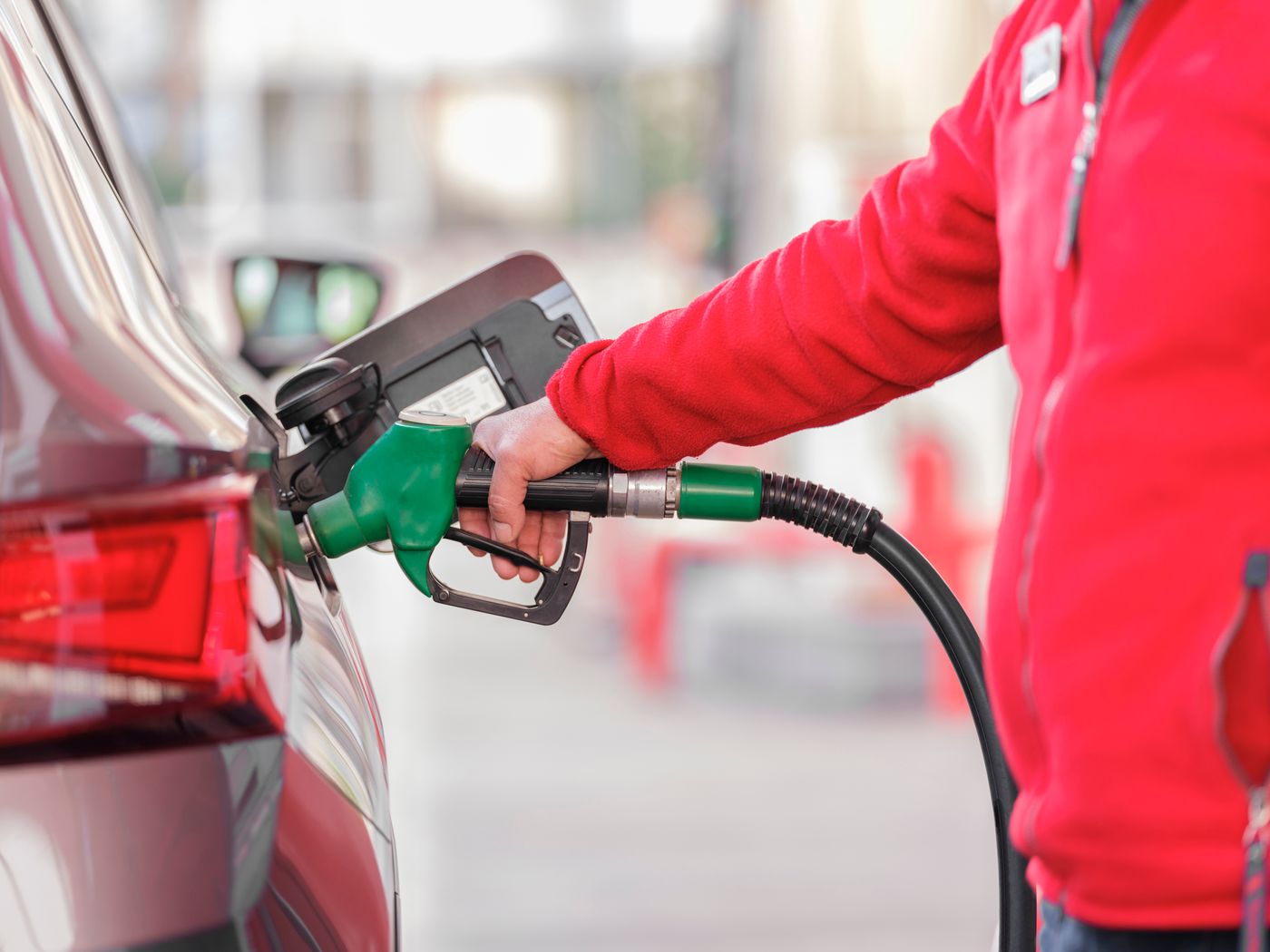
Fuel card statements, line by line
Statements from the fuel card programmes arrive by file, and every fill is matched to a trip and an odometer reading from the tracker. Finance sees the exceptions, not the lines.
- Every fill with its litres, amount, station and odometer
- Fills by vehicle, by driver and by card
An unmatched fill goes to the driver first
A fill with no trip or an odometer gap goes to the driver's phone as a question in plain words: was this you? The fleet manager sees it after 48 hours without an answer, or at once if the answer is no.
Cards on vehicles, consumption computed
Each card is bound to a vehicle, not a driver, with its own limit. The driver adds the odometer and a receipt photo to a fill, so consumption is computed against the tracker, not declared.
- Litres per 100 km by vehicle and by driver, against the fleet average
- Spare cards held locked
Toll and parking, matched by plate and time
The toll operator's statement is imported and each charge is matched to a trip by plate and time, so finance stops keying charges from a PDF. What does not match waits for finance with the nearest trip suggested: approve, query the driver or hold.

See it on your own fleet
Send us the number of vehicles and drivers, the trackers and fuel cards you use, and how defects and renewals are tracked today. An engineer replies with a rollout plan, an integration list and a proposal.