Fleet management for organisations that run vehicles
Vehicles, drivers, trips, fuel, maintenance, compliance and cost on one record, fed by the tracker in each vehicle and the driver's phone. Bought once and owned outright.
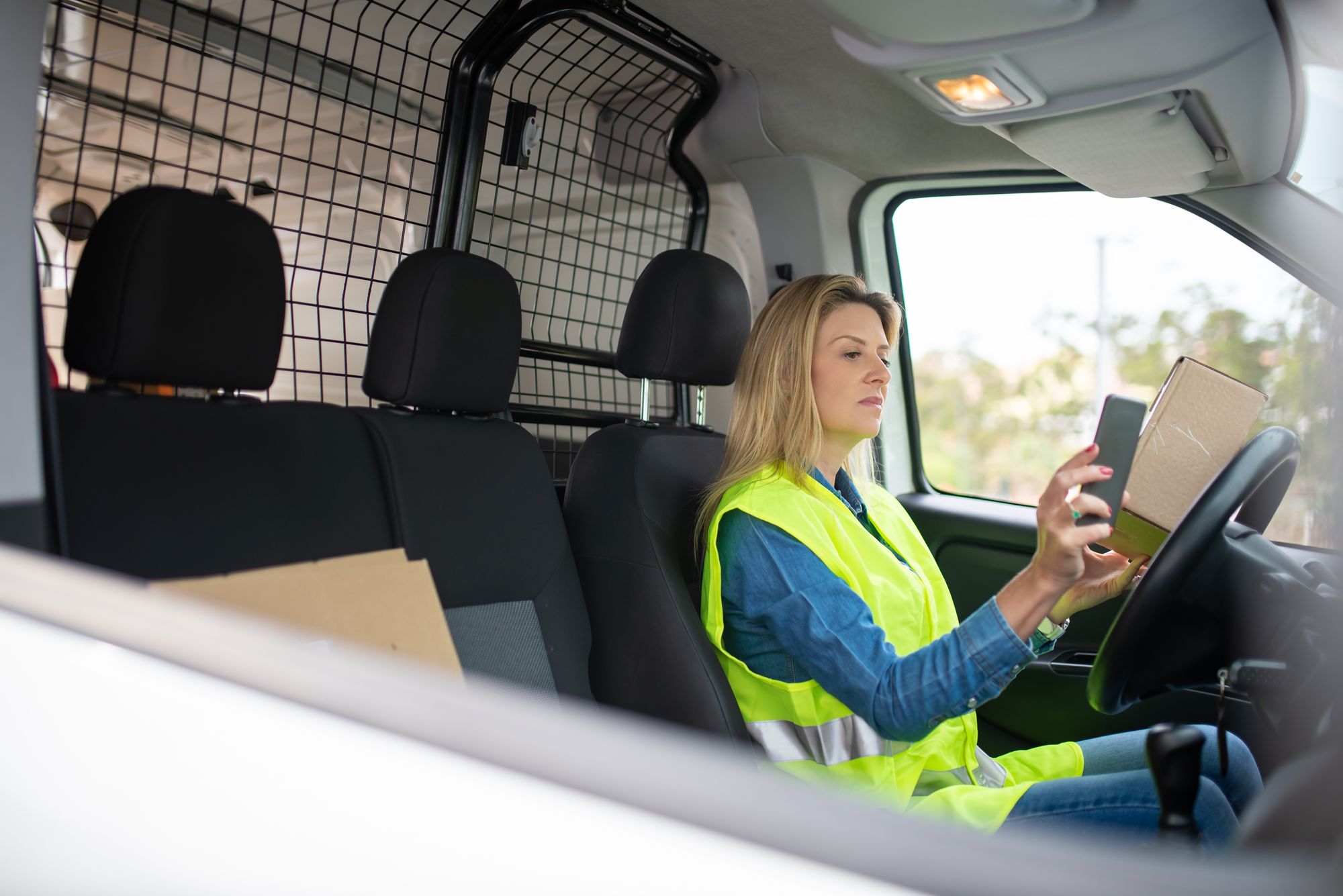
- Checked on the phone
- A pre-trip check of one tap per item, with a photo on a fault.
- Matched to the trip
- Fuel, toll and summonses matched to the trip and the driver.
- Chased before expiry
- JPJ road tax and Puspakom dates on every vehicle.
- Owned outright
- No fee per vehicle, per tracker or per position.
From the pre-trip check to cost per km
Six features on one fleet system, for the office, the road, the workshop and finance.

- Vehicles and complianceEvery vehicle, its record, and its road tax and Puspakom dates.
- Drivers and the driver appDriver records, and an app for the check, the trip and the licence.
- Trips and trackingPlanned and logged trips, from the trackers you prefer.
- Fuel, toll and parkingFuel cards, toll and parking, matched to trips.
- Maintenance and the workshopDefects, service plans and the workshop's own console.
- Cost and financeCost per km, the ledger, fines, insurance and replacement.
A day of the fleet on asasii fleet
From the pre-trip check in the morning to cost per km at month end.
- 07:50
The pre-trip check
A driver walks round the van and marks each item on the phone. One tyre is worn to the marker, an unsafe fault, so the van is grounded at once.
- 08:15
The fleet manager's morning
The home screen lists what needs a decision, in the order it matters, with the grounded van first.
- 08:30
Into the workshop
The fleet manager books the van into the workshop from its record and moves the driver's trips to another vehicle.
- 09:30
The workshop accepts
The workshop sees the defect and the photos on its own board and accepts the job. The fleet console and the driver's app update at once.
- 11:00
A fill with no trip
The fuel card statement arrives and one fill matches no trip. The driver is asked about it in the app first.
- 14:00
A summons arrives
It is matched to the trip by plate, date and time, and the trip record shows who drove. The driver sees the same evidence in the app.
- 16:00
Road tax renewals
Road tax on four vehicles expires next month. Each renewal is raised and assigned to a person.
- Month end
Cost per km
Finance reads cost per km by vehicle and the vehicles that cost the most, and the month's costs go to the ledger.
Who it's for
Each person works on their own screen, on the same vehicle records.




A licence, not a fee per vehicle
The organisation buys the software and keeps everything it records. idataraya is paid to customise, install and maintain it, never per vehicle.
| Topic | A tracking subscription | asasii fleet |
|---|---|---|
| Who owns the software | The vendor | The organisation, outright |
| Where the data lives | The vendor's cloud | The organisation's own environment |
| The trackers | The vendor's own devices | Bought from the supplier the organisation prefers |
| What it costs | A fee for every vehicle, every month | A licence, plus a yearly agreement with nothing per vehicle |
| When the contract ends | The tracking stops with it | The software keeps running in the organisation's environment |
Security and Malaysian compliance
The questions auditors and IT ask, answered in the system.
Security and data overview- JPJ road tax and Puspakom
- Dates on every vehicle, with each renewal raised to a person before expiry.
- AES and PDRM summonses
- Matched to the trip by plate, date and time, naming the driver on the day.
- PDPA and tracker data
- Positions kept 12 months by default, with a driver's location shown only on duty.
- Single sign-on and MFA
- Office staff sign in with single sign-on and MFA, drivers with a staff number and PIN.
- Audit trail
- Every write recorded with who, when and what, and kept for seven years.
- Your own environment
- The data stays in the organisation's own environment.

Installed and maintained by idataraya
asasii fleet runs in the organisation's own environment, under its own IT, and the data stays there. idataraya installs it and keeps it current, and the organisation holds the keys, the backups and the data.
- Response times by severity, measured monthly
- Monitoring from within the organisation's environment
- Security patches and tracker protocol updates
- Support and incident response under the yearly agreement
Questions fleets ask
About the road, the workshop and the money.
Which trackers does it work with?
The organisation buys trackers from the supplier it prefers, and asasii fleet reads the common tracker protocols. Every tracker shows on one list with its model, firmware, last position and status. idataraya does not sell or supply trackers.
What happens if a driver skips the pre-trip check?
The vehicle is not locked out. A vehicle that moves without a check is logged, shown on the fleet manager's home screen and reported daily by driver. There is no immobiliser, so a driver is never stranded by a phone.
What happens when a driver finds an unsafe fault?
The driver marks the fault, says what was seen and takes a photo, and the app decides the severity. An unsafe fault grounds the vehicle from the phone and tells the fleet manager at once. The fleet manager can release it with a reason, and the release is recorded in the audit log.
How are fuel card statements checked?
Each statement is imported by file, and every fill is matched to a trip and an odometer reading from the tracker. A fill with no trip or an odometer gap goes to the driver's phone as a question first. The fleet manager sees it after 48 hours without an answer, or at once if the answer is no.
How is a summons matched to a driver?
The notice is scanned in and matched to the trip by plate, date and time, and the trip names the driver. The driver sees the notice and the tracker evidence in the app, and acknowledges it or says it was someone else. Whether the fine is recovered from pay is HR's decision, outside the system.
How are road tax and Puspakom handled?
Every vehicle carries its JPJ road tax and Puspakom dates. Each renewal is raised to a named person before expiry, road tax 45 days out and Puspakom 30 by default, and the receipt and the JPJ or Puspakom document go on the vehicle record. A vehicle whose road tax or inspection lapses is grounded.
Where does it run, and can our other systems talk to it?
In the organisation's own environment, run by its own IT. idataraya installs it and keeps it current, and the organisation's team holds the keys, the backups and the data. Costs go to the ledger by API, the staff list can be read from the HR system, and a full, documented API is open to the organisation's other systems.
What does the yearly agreement cover?
Software updates, the customisations made for you, security patches, tracker protocol updates, monitoring, support and incident response. Hosting stays with you. It is a yearly fee, never a fee per vehicle, per tracker or per position, and the software keeps running if the agreement is not renewed.